


The Naked Island
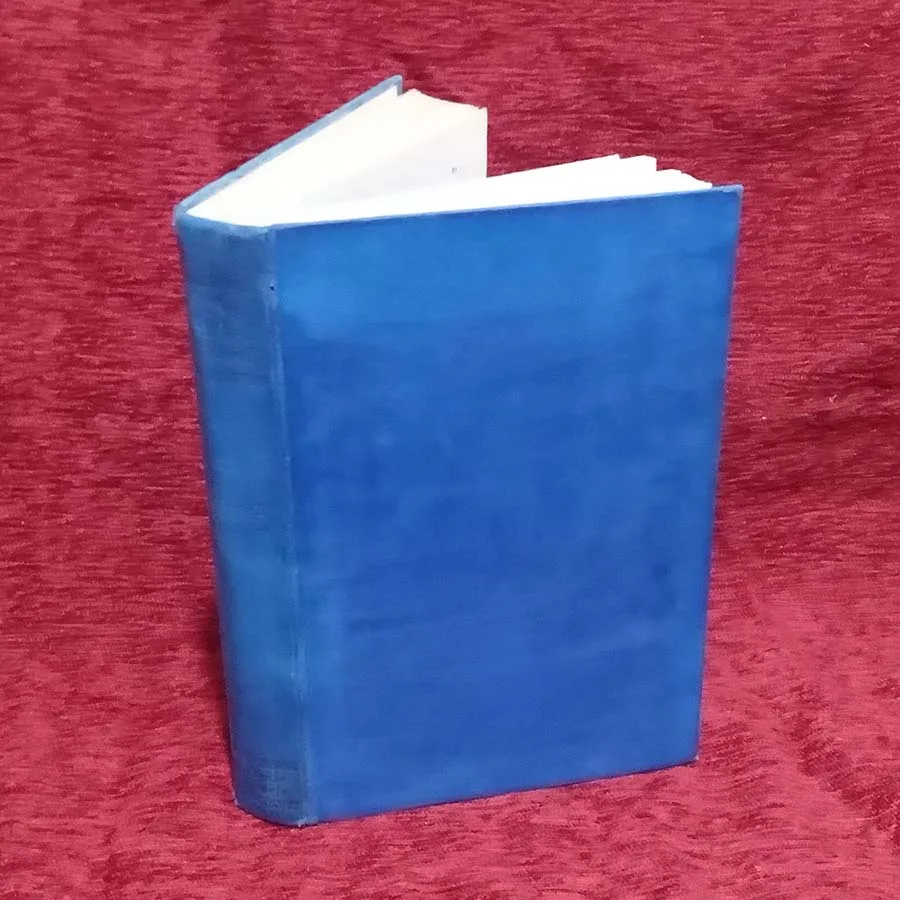
Publisher: Werner Laurie
Format: Hardback
ISBN: none
Russell Braddon’s The Naked Island is one of the great Far East prisoner-of-war accounts, which is to say it occupies that bleak region of the bookshelf where survival stops being inspiring and becomes a grimly repetitive technical problem. Braddon was captured after the fall of Singapore and sent into Japanese captivity, where the usual consolations of military life — bad food, boredom, discomfort and officers — were replaced by starvation, disease, forced labour, brutality and the daily discovery that the human body is both astonishingly stubborn and terribly easy to damage.
The “naked island” is not a romantic place of palms, surf and inconveniently attractive shipwrecks. It is an exposed place in every sense: men stripped of comfort, status, health, privacy, certainty and almost everything except memory, humour, fear and the animal determination to last one more day. War memoirs often arrive wearing medals; this one arrives thinner, dirtier, sharper, and much less interested in ceremonial language.
Braddon writes with the black clarity of someone who has seen civilisation’s upholstery ripped off. The camps are not presented as noble training grounds for character, because that would be obscene and also stupid. They are places of hunger, sickness, work, beatings, death and the strange little economies of survival: scraps of food, scraps of information, scraps of dignity, scraps of laughter used like contraband. Men are reduced, but not simplified. They remain funny, frightened, selfish, brave, bitter, loyal, absurd and human, often in the same paragraph.
There is an especially cruel irony in the whole Far East POW story. Soldiers sent out under the banners of empire found themselves abandoned by the grand phrases once the machinery failed. Singapore fell, authority collapsed, and men who had belonged to armies and nations were suddenly counted in rations, labour quotas and graves. History later tries to make it tidy with dates and campaign names. Braddon’s kind of book is what prevents that tidiness from getting away with it.
The power here is in testimony that refuses decoration. The Naked Island is not a comfortable read, and it has no intention of becoming one. It is funny in the way desperate men can be funny, angry in the way memory has a right to be angry, and alive to the grotesque absurdity of trying to remain civilised when the surrounding system has made a policy decision against mercy. If there is heroism, it is not polished. It is improvised, half-starved, frequently sarcastic, and probably trying to steal an extra mouthful of rice.
For readers of POW memoirs, the fall of Singapore, Japanese captivity, Second World War testimony and books that make the word “endurance” feel less like a poster and more like a wound, this is a significant and hard-bitten volume. It belongs on the shelf where war is allowed to be foul, frightened, morally exhausting and inconveniently memorable.
Fair copy, as sold by Crappy Old Books. The boards have been re-coloured front, back and spine; the result is a bit washy, but a vast improvement on whatever bookish swamp condition it had achieved before. The repair is detailed on the website, because Crappy Old Books believes in full disclosure and mildly heroic cosmetic intervention. A battered survivor of a book about battered survivors, now patched up enough to stand on the shelf and look quietly appalled by everyone’s peacetime complaints.
Keep browsing: See more Fiction books Other books by Russell Braddon
